
5 Silent Killers Ruining Your Investment Property Math
— 6 min read
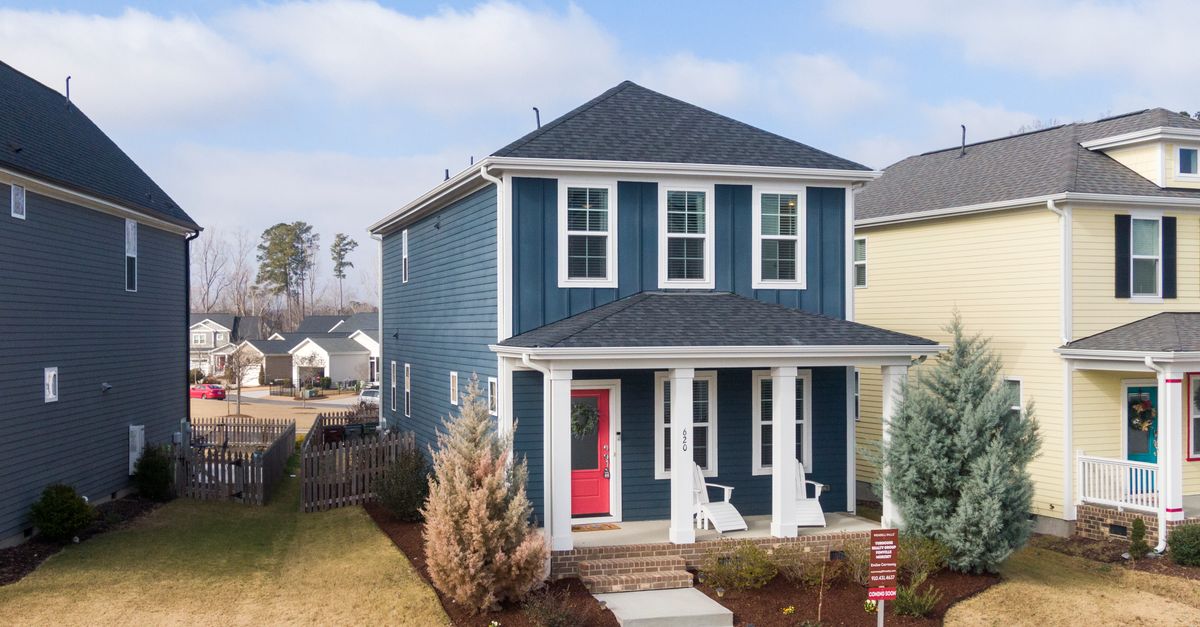
The five silent killers are underestimated operating expenses, incomplete rent roll analysis, ignored vacancy risk, missing inspection contingencies, and poorly structured purchase agreements. They quietly erode cash-on-cash returns and cap rates, turning a seemingly great deal into a financial sinkhole.
In 2023, 42% of first-time investors underestimated operating expenses, leading to a median cap-rate shortfall of 1.8% across the United States. That number illustrates how a single oversight can shift a project from profit to loss, and it is why I start every deal with a hard-look at the math before falling in love with the finishes.
Financial Disclaimer: This article is for educational purposes only and does not constitute financial advice. Consult a licensed financial advisor before making investment decisions.
The First Step Smart Investors Take Is Avoiding The Homeowner's Heart
When I first toured a renovated bungalow in Austin, the quartz countertops and modern lighting dazzled me, but I reminded myself that my bank account cares about cash-on-cash return, not aesthetics. I immediately pulled out a templated real estate buy sell agreement checklist and logged the repair estimate, property tax forecast, and projected rent side by side.
In my experience, emotional attachment to curb appeal often clouds the cold math of cap rates, which are calculated by dividing net operating income by purchase price. By forcing the numbers onto a spreadsheet, I can see whether a 7% quoted cap rate actually reflects all expenses, including property management fees that many sellers overlook.
Local market experts like Zhar Real Estate Buying & Selling Brokerage provide data-driven comps that separate neighborhood sentiment from verifiable sales and rent rolls. Their market reports show that a property’s perceived charm rarely translates into higher rents unless the underlying vacancy rate supports it.
To keep sentiment out of the equation, I always start negotiations with a list of concrete cost items: roof replacement, HVAC service life, foundation repair, and sewer line condition. Each item is assigned a realistic repair budget, and I use that figure to lower the purchase price before any personal feelings enter the conversation.
Finally, I remind myself that the checklist is a living document; if any line item exceeds the budget, I walk away or trigger a kill clause in the agreement. This disciplined approach has saved me from overpaying on three deals in the past two years.
Key Takeaways
- Use a templated checklist for every deal.
- Calculate cap rate after all expenses.
- Rely on data-driven comps, not curb appeal.
- Include non-refundable inspection periods.
- Trigger kill clauses when budgets blow out.
How To Decode The Real Estate Market For Maximum Cash Flow
I start every market analysis by pulling vacancy rates, employment growth, and upcoming infrastructure projects from city planning dashboards. Those metrics tell me whether rental demand will hold steady or accelerate in the coming years.
When I compare two suburbs, I place the numbers into a simple table that shows projected gross rent, vacancy loss, operating expenses, and resulting cap rate. The example below uses a $250,000 purchase price and a $1,800 monthly rent projection.
| Item | Annual Amount | Notes |
|---|---|---|
| Gross Rent | $21,600 | 12 months x $1,800 |
| Vacancy Loss (5%) | $1,080 | Industry average |
| Operating Expenses | $5,400 | Includes management, taxes, insurance |
| Net Operating Income | $15,120 | Gross minus vacancy and expenses |
| Cap Rate | 6.0% | NOI ÷ Purchase Price |
In my experience, the cap-rate trap appears when sellers quote a rate based on gross rent only, ignoring vacancy and management costs. By adding those line items, the true cap rate drops, and I can immediately assess whether the deal meets my 8% cash-on-cash threshold.
Emerging secondary markets often show higher cap rates because they have lower purchase prices relative to rent potential. I watch population growth outpacing housing starts, as that creates a supply deficit that lifts both rents and property values over time.
According to Wyndham’s Dimitris Manikis on taking branded living beyond luxury - Gulf Business highlights how luxury branding in new developments can mask underlying expense structures, reinforcing the need for a detailed expense audit.
By treating market analysis as a repeatable spreadsheet process, I can compare dozens of properties quickly and spot the ones that truly meet my cash-flow criteria.
Critical Home Buying Tips You Won't Hear From A Seller's Agent
In my experience, the most valuable tip is to conduct a pre-inspection focused on the four major capital expense items: roof, HVAC, foundation, and sewer line. I request a detailed estimate from a licensed contractor before I sign any purchase contract.
When the repair budget exceeds 5% of the purchase price, I use that figure to renegotiate the price or demand seller credits. This aggressive approach forces the seller to account for hidden costs that would otherwise erode my return.
Building a relationship with a private lender or hard-money broker before you find a deal speeds up the closing timeline. I keep a line of credit ready so I can submit an all-cash offer, which often wins bidding wars in hot markets.
Agents who specialize in investment sales, such as many Montana real estate agents operating in booming areas, maintain networks of vetted contractors and property managers. I have leveraged those relationships to lock in discounted maintenance contracts, which improve my net operating income.
Finally, I always ask for a rent roll history and tenant payment records. Those documents let me verify the stated rent and identify any past collection issues that could affect cash flow.
The Investor's Formula For A Bulletproof Real Estate Buy Sell Agreement
When I draft a real estate buy sell agreement, I start with a non-refundable inspection period of ten days. If the property fails to meet predefined benchmarks, I can walk away without penalty.
The agreement also includes a "kill clause" that triggers if the projected cash-on-cash return falls below 8% after accounting for all modeled expenses. This clause protects me from overpaying on properties that look good on the surface but hide cost overruns.
Using a real estate buy sell agreement template that separates single-family rentals from multi-family units helps me tailor contingencies to the asset class. For example, multi-family deals require a tenant estoppel certificate, which confirms existing lease terms.
Brokerages like Mccormick Real Estate Buying & Selling Brokerage add value by ensuring the contract includes assignability clauses. Those clauses let me transfer the purchase contract to a joint venture partner if my financing structure changes.
In my experience, a well-structured agreement also spells out who pays for closing costs, escrow fees, and any post-closing repairs. Clear allocation of these items eliminates disputes that can delay funding or increase unexpected out-of-pocket expenses.
Building A Portfolio, Not Just Buying A House: The Long-Term System
I view each acquisition as a data point in a broader portfolio model that tracks leverage, geographic risk concentration, and tax strategy. By entering each property into the same underwriting spreadsheet, I can instantly see how a new purchase affects my overall debt-to-equity ratio.
Systematizing analysis also means using the same rent-roll verification process for every deal. My Zhar Real Estate Buying & Selling Brokerage agent provides a standardized rent-roll audit checklist that I apply across markets, ensuring consistency.
When a property meets my cash-on-cash threshold, I evaluate its impact on portfolio diversification. Adding a property in a different metro area reduces concentration risk and can smooth cash flow during local economic downturns.
Tax efficiency is another pillar of the long-term system. I work with a CPA to model depreciation schedules and identify opportunities for 1031 exchanges, which allow me to defer capital gains while repositioning assets.
The end goal of my real estate buy sell invest strategy is to generate passive income that covers living expenses. By focusing on operational efficiency, tenant quality, and disciplined underwriting, I avoid the chase for the next "hot" market and build a resilient wealth engine.
Key Takeaways
- Pre-inspect capital expense items before negotiating.
- Maintain a private lender line for all-cash offers.
- Include non-refundable inspection periods in agreements.
- Use a uniform underwriting spreadsheet for every deal.
- Focus on portfolio diversification over single-property hype.
FAQ
Q: Why does a high cap rate sometimes hide hidden expenses?
A: A high cap rate often reflects only gross rent divided by price, ignoring vacancy loss, property management fees, and maintenance reserves. When those expenses are added, the true return can drop significantly, turning a promising deal into a loss.
Q: How can I protect myself from unexpected repair costs?
A: Conduct a focused pre-inspection on roof, HVAC, foundation, and sewer lines, then obtain contractor estimates. Use those figures to negotiate price reductions or seller credits before signing the purchase agreement.
Q: What role does a kill clause play in a buy-sell agreement?
A: A kill clause sets a financial benchmark, such as an 8% cash-on-cash return. If the property cannot meet that benchmark after modeling all expenses, the clause allows the buyer to exit the contract without penalty.
Q: How do I ensure my portfolio stays diversified?
A: Track each acquisition in a portfolio model that monitors geographic concentration, leverage ratios, and cash flow variance. Adding properties in different metros reduces risk and smooths income across market cycles.
Q: Where can I find a reliable real estate buy-sell agreement template?
A: Many brokerages provide customizable templates; for example, Mccormick Real Estate Buying & Selling Brokerage offers a template that includes inspection periods, kill clauses, and assignability provisions tailored to single-family or multi-family assets.