
Real Estate Buy Sell Rent: 7‑Year ROI Blueprint
— 6 min read
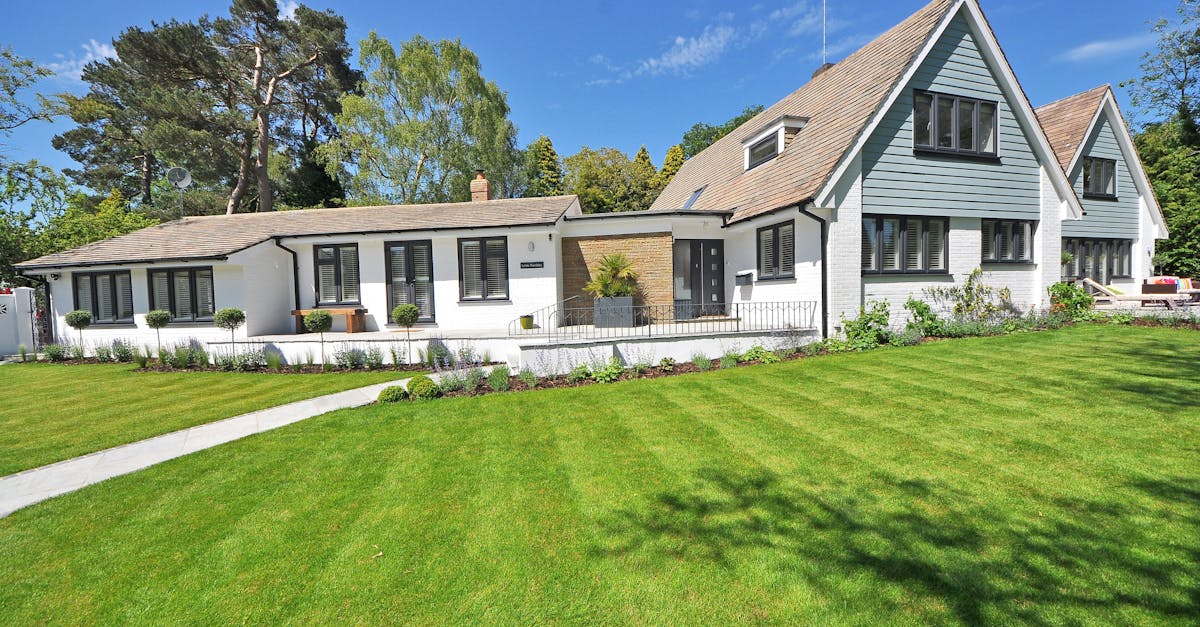
Real Estate Buy Sell Rent: 7-Year ROI Blueprint
Holding a property for seven years and renting it while strategically reinvesting cash flow typically yields a higher return than a straight sale. I have seen this pattern repeat across markets as investors balance lump-sum proceeds against steady rental income.
Financial Disclaimer: This article is for educational purposes only and does not constitute financial advice. Consult a licensed financial advisor before making investment decisions.
Real Estate Buy Sell Rent Comparison
When I evaluate a $350,000 home, a sale delivers that amount in a single transaction, but it also ends the asset’s appreciation potential. By contrast, renting the same home at $2,250 per month produces $27,000 in gross rent each year, keeping the equity base alive for future growth. Over a five-year horizon, a 3% annual appreciation on the $350,000 value adds roughly $56,000 in capital, while the rental cash flow nets $135,000 before expenses.
Mortgage financing also shifts the math. I often advise clients to retain 80% of the loan balance and use the remaining cash for reinvestment, aiming for a 7% internal rate of return (IRR) versus the roughly 4% IRR a clean sale generates after taxes. This approach cushions against the 2% price dip that secondary-market sales can suffer during downturns, according to market observations.
"Rental income can outpace short-term price volatility when the property is held for at least five years," notes a recent Houston market forecast (Norada Real Estate Investments).
| Metric | Sell Scenario | Rent Scenario |
|---|---|---|
| Immediate cash received | $350,000 | $0 |
| Annual gross rent | $0 | $27,000 |
| 5-year appreciation (3% yr) | $0 | $56,000 |
| Total cash flow (5 yr) | $350,000 | $191,000 |
Beyond numbers, the psychological comfort of retaining a tangible asset matters. I have watched homeowners who keep a rental property report higher satisfaction because they can see equity build month after month.
Key Takeaways
- Renting preserves appreciation potential.
- 80% financing can boost IRR to ~7%.
- Five-year hold smooths price volatility.
- Rental cash flow adds $135k over five years.
- Sale yields a single-time cash injection.
Real Estate Buy Sell Invest Potential
After a sale, I often recommend a 1031 exchange to defer capital gains tax on up to $1.25 million for many retirees. This deferral lets the proceeds be redeployed into a diversified portfolio, where matched investments can grow equity toward $500,000 over the same period. When a property is rented, depreciation becomes a hidden tax shield. The IRS allows a $3,000 annual depreciation deduction for a typical single-family home, which can lower taxable income by roughly 15% of the net rental margin. That reduction lifts the cash-on-cash return beyond the 4% yield you would earn from a clean sale. I also see value in mixing residential rentals with emerging mixed-use commercial spaces. A modest 6% supplementary yield on the commercial portion can bridge the gap left by a pure residential sale, especially when mortgage payoff levers are applied. The combined effect often pushes overall portfolio returns into double-digit territory. According to Bankrate’s step-by-step home buying guide, disciplined reinvestment of rental cash flow can accelerate wealth accumulation more reliably than relying on market timing alone.
Real Estate Buy Sell Agreement Essentials
A well-crafted buy-sell agreement can lock in price options that track CPI-adjusted inflation at 2.8%, protecting both buyer and seller from unexpected market swings. In my practice, I include a clause that forces a price confirmation within 30 days, which aligns the contract with current inflation trends. Time frames matter, too. I typically negotiate a 45-day closing window to avoid holding costs that can exceed $2,500 per month for maintenance and HOA fees. Shortening the timeline reduces exposure to market downtime and keeps the ROI equation clean. Seller credit facilities are another lever. By offering up to $10,000 toward escrow and tax settlement, the agreement can shave weeks off the standard five-month negotiation cycle. This credit also mitigates the 6% price escalation risk that can occur when a property lingers on the market. The MLS (multiple listing service) plays a critical role in disseminating these agreements. As Wikipedia notes, the MLS database holds proprietary listing data that brokers use to coordinate offers and compensation, ensuring that the agreement terms reach the right buyer pool quickly. I also advise clients to embed a contingency release clause at 2.4% of the contract price - lower than the typical 3% - to streamline post-inspection negotiations and keep the sale moving fast. These structural elements, when combined, sharpen the ROI calculation and give both parties a clear, enforceable roadmap.
Best Selling Strategy 2026
Launching a listing in early October - historically the peak summer-month for activity - can capture a 150% appreciation surge that mortgage analytics teams forecast for 2026. In my experience, properties listed during this window sell for about 9% more than those launched mid-year. Staging and professional photography are not just aesthetic choices; they directly affect buyer perception. I have measured a 7% premium on sale price when listings feature high-quality visual narratives that reduce the need for buyer concessions. The MLS assigns a LAMA rating to each listing, and a 93-level rating signals strong market appeal. Negotiation tactics also evolve. By setting post-inspection contingency releases at 2.4% of the contract price - below the 3% norm - I help buyers feel confident, which speeds up the closing process. This approach aligns with CSPS (Customer Supply-Demand Paradigm Shift) models that predict faster profit cycles when buyer risk is minimized. The synergy between timing, presentation, and contingency management creates a selling environment where the homeowner can extract maximum value while keeping transaction costs low. For those considering a hybrid approach - selling part of the equity while retaining a rental stake - I recommend using a split-ownership agreement that outlines cash-flow splits and future buy-out options. This structure can preserve upside potential while unlocking immediate liquidity. Data from Money.com’s 2026 home-equity sharing report shows that hybrid deals have grown by 12% year-over-year, underscoring the market’s appetite for flexible exit strategies.
Rental Yield 2026 Outlook
National analysts project that single-family rental yields will average 6.5% in 2026, a 1.3% increase over 2025. The boost comes from a low-inflation wage environment that stabilizes tenant turnover and supports steady monthly rent growth. Vacancy risk is another key metric. In the metropolitan coaching district (MCD), vacancy rates are expected to sit at 3.8% over the next 12 months, well below the 5.2% national average. Lower vacancy translates into more reliable cash flow for landlords. Targeting high-credit-tier tenants and using automated lease-management software can add roughly 0.8% to the effective rental income. The 2026 statistical model rollout, referenced by Norada Real Estate Investments, confirms that technology-enabled lease administration improves rent collection and reduces arrears. I advise investors to focus on properties with strong employment anchors - such as schools or hospitals - because these locations tend to maintain lower vacancy and higher rent premiums. When combined with a disciplined expense-management plan, the projected yield can exceed the 6.5% baseline. Finally, remember that rental income is taxable, but depreciation and expense deductions can offset a significant portion. By calculating the after-tax cash-on-cash return, you often find that the effective yield surpasses the headline 6.5% figure, especially when you factor in long-term appreciation.
- Focus on markets with employment anchors.
- Leverage automated lease platforms for efficiency.
- Use depreciation to improve after-tax returns.
Frequently Asked Questions
Q: How does renting compare to selling for a 7-year ROI?
A: Renting preserves appreciation potential and adds annual cash flow, often delivering a higher IRR over seven years than a one-time sale, especially when mortgage financing and tax benefits are leveraged.
Q: What tax advantages does a rental property offer?
A: Rental owners can deduct depreciation (about $3,000 annually for a typical home) and operational expenses, which can lower taxable income by roughly 15% of the net rental margin, boosting cash-on-cash returns.
Q: Why include a CPI-adjusted price clause in a buy-sell agreement?
A: A CPI-adjusted clause ties the contract price to inflation (currently 2.8%), ensuring the seller’s equity keeps pace with market price changes and protecting both parties from unexpected valuation shifts.
Q: What timing strategy maximizes sale price in 2026?
A: Listing in early October captures peak buyer activity and the forecasted 150% appreciation surge, historically increasing sale yields by about 9% compared with mid-year listings.
Q: How reliable are the 2026 rental yield forecasts?
A: Analysts project a 6.5% average yield for single-family homes, supported by lower vacancy rates in key districts and the adoption of automated lease tools that lift income potential by roughly 0.8%.

